




 规格:
规格: 价格:
价格: 下载说明 ①
Overview
-
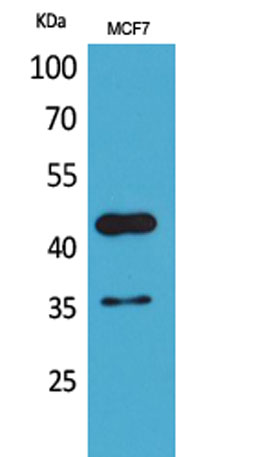
Western Blot analysis of MCF7 cells using Angptl4 Polyclonal Antibody. Secondary antibody(catalog#:RS0002) was diluted at 1:20000
-
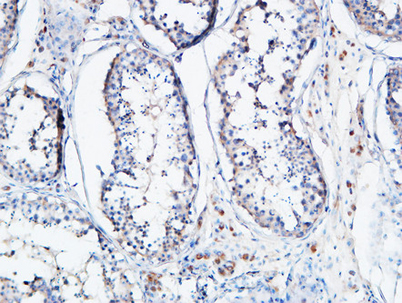
Immunohistochemical analysis of paraffin-embedded Human testis. 1, Antibody was diluted at 1:100(4° overnight). 2, High-pressure and temperature EDTA, pH8.0 was used for antigen retrieval. 3,Secondary antibody was diluted at 1:200(room temperature, 30min).
-
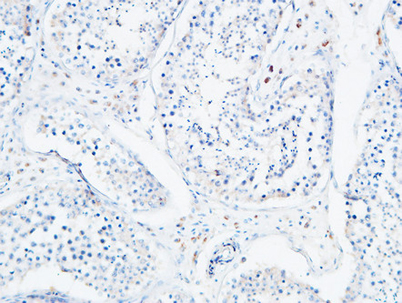
Immunohistochemical analysis of paraffin-embedded Human testis. 1, Antibody was diluted at 1:100(4° overnight). 2, High-pressure and temperature EDTA, pH8.0 was used for antigen retrieval. 3,Secondary antibody was diluted at 1:200(room temperature, 30min).
-
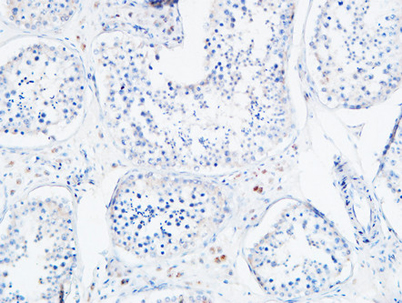
Immunohistochemical analysis of paraffin-embedded Human testis. 1, Antibody was diluted at 1:100(4° overnight). 2, High-pressure and temperature EDTA, pH8.0 was used for antigen retrieval. 3,Secondary antibody was diluted at 1:200(room temperature, 30min).
关闭
在线咨询
Online consultation
-
 在线咨询
在线咨询
-
 技术支持
技术支持

关注微信公众号


关闭