PRKCG; PKCG; Protein kinase C gamma type; PKC-gamma
Source:
Rabbit
Dilutions:
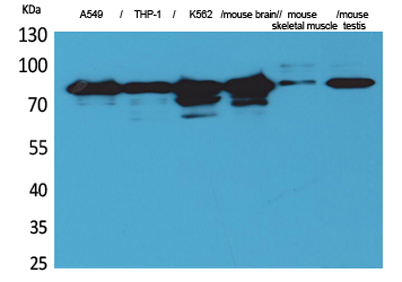
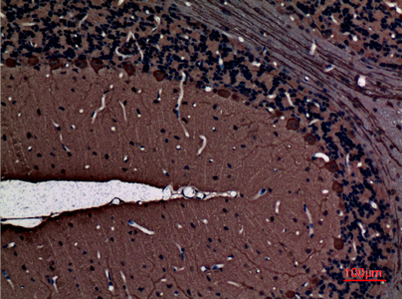
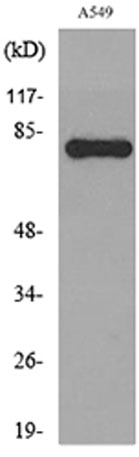
Western Blot: 1/500 - 1/2000. IHC-p: 1:100-300 ELISA: 1/20000. Not yet tested in other applications.
Immunogen:
The antiserum was produced against synthesized peptide derived from the Internal region of human PRKCG. AA range:521-570
Storage:
-20°C/1 year
Clonality:
Polyclonal
Isotype:
IgG
Concentration:
1 mg/ml
Observed Band:
78kD
GeneID:
5582
Human Swiss-Prot No:
P05129
Cellular localization:
Cytoplasm . Cytoplasm, perinuclear region . Cell membrane ; Peripheral membrane protein . Cell junction, synapse, synaptosome . Cell projection, dendrite . Translocates to synaptic membranes on stimulation. .
Background:
Protein kinase C (PKC) is a family of serine- and threonine-specific protein kinases that can be activated by calcium and second messenger diacylglycerol. PKC family members phosphorylate a wide variety of protein targets and are known to be involved in diverse cellular signaling pathways. PKC also serve as major receptors for phorbol esters, a class of tumor promoters. Each member of the PKC family has a specific expression profile and is believed to play distinct roles in cells. The protein encoded by this gene is one of the PKC family members. This protein kinase is expressed solely in the brain and spinal cord and its localization is restricted to neurons. It has been demonstrated that several neuronal functions, including long term potentiation (LTP) and long term depression (LTD), specifically require this kinase. Knockout studies in mice also suggest that this kinase may be involved in neurop